RTP Hunters' Guide: Spotting Online Slots Primed for Steady Payouts
RTP Hunters' Guide: Spotting Online Slots Primed for Steady Payouts
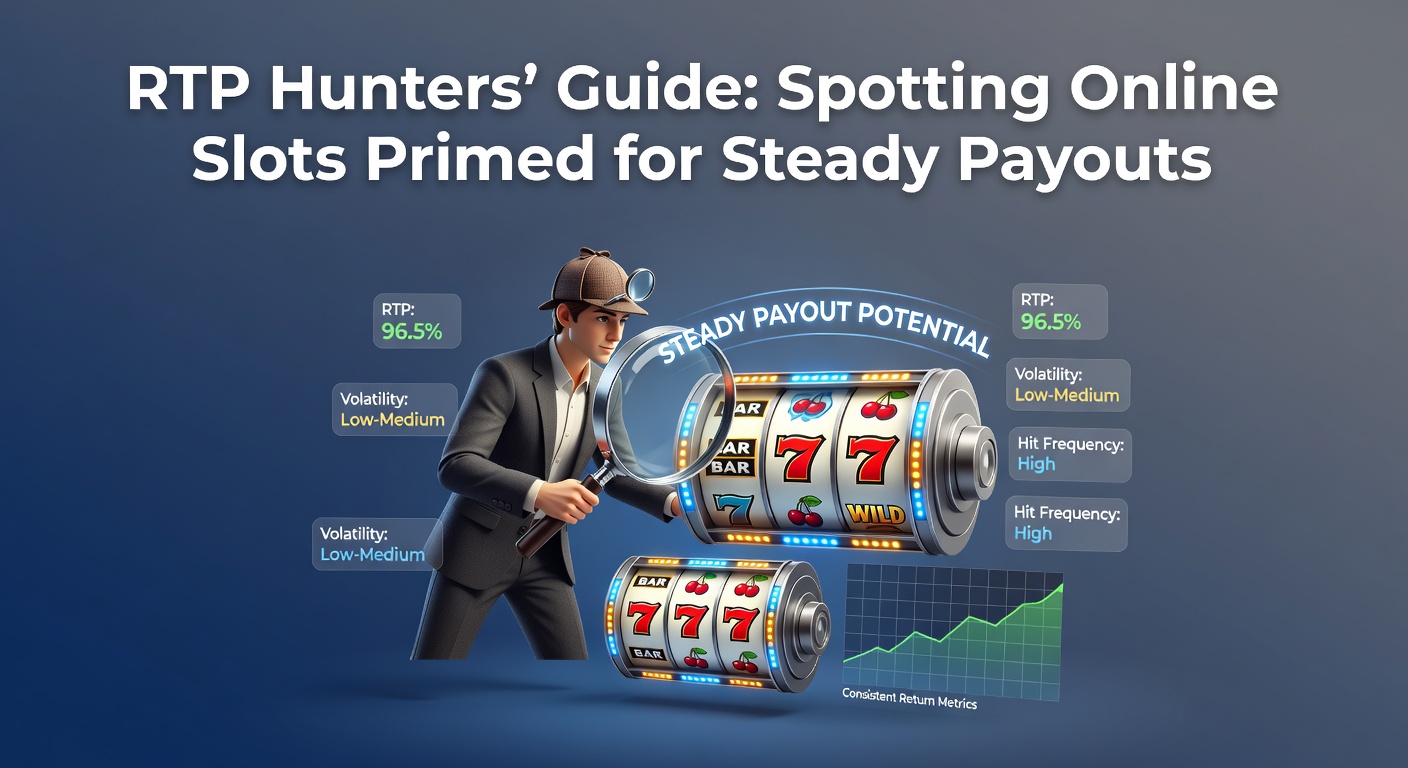
Understanding RTP: The Core Metric for Slot Payouts
Return to Player, or RTP, stands as the key percentage that reveals how much a slot game returns to players over millions of spins, typically ranging from 92% to 99% depending on the title and jurisdiction; experts define it precisely as the theoretical payback before the house edge kicks in, meaning a 96% RTP slot keeps about 4% for the casino in the long run. Data from industry audits shows most modern online slots hover around 94-97%, but hunters who dig deeper uncover gems pushing 98% or higher, especially in unregulated markets where developers experiment freely. And while short-term luck swings wild, those long-term figures hold steady because algorithms run on fixed math models certified by testing labs.
Take classic examples like NetEnt's Blood Suckers, clocking in at 98%, or Microgaming's Mega Joker nearing 99% in supermeter mode; researchers who've dissected thousands of games note these outliers deliver steadier sessions compared to volatile low-RTP counterparts. What's interesting is how RTP ties directly to variance too, since high-RTP slots often pair with low volatility for frequent, modest wins rather than rare jackpots, keeping bankrolls afloat longer.
How Developers and Casinos Configure RTP Settings
Game providers like Pragmatic Play or Play'n GO build slots with configurable RTP ranges, say 94.5% to 96.5%, letting casinos pick versions that suit their margins; this flexibility explains why the same title might payout differently across sites, although regulators in places like New Jersey mandate clear disclosure. Figures from Nevada Gaming Control Board reports reveal operators must submit RTP data quarterly, ensuring transparency for players chasing steady returns. But here's the thing: developers test these through simulated billions of spins, certifying fairness via labs like eCOGRA, so savvy hunters cross-check game info pages first.
Observers point out that progressive jackpots drag average RTP down to 88-92% because portions fund those massive prizes, whereas fixed jackpot or classic fruit machines stick closer to 97-99%; one study by Swedish researchers analyzed over 500 titles and found branded slots average 94.2%, undercutting non-themed games by a full point. So players who prioritize steady payouts scout independents over movie-tie-ins.
Practical Tools for Spotting High-RTP Slots
Hunters start with casino lobbies boasting search filters for RTP, volatility, and provider, but those features shine brightest on platforms audited by third parties; apps like Slot Tracker aggregate user data on real-play RTP, revealing deviations from advertised figures over time. And now, in April 2026, blockchain-based provably fair slots from studios like Hacksaw Gaming let players verify RTP math on-chain, a trend gaining traction per recent Alcohol and Gaming Commission of Ontario filings showing increased adoption in regulated Canadian markets.
Provider websites often list full RTP specs too, with Big Time Gaming openly publishing 96.00%+ for most Megaways titles; people who've mastered this cross-reference with review aggregators, spotting patterns like Evolution's live slots dipping under 95% due to dealer overhead. Yet the real edge comes from demo modes, where extended play exposes payout frequency without risk, helping differentiate steady payers from feast-or-famine traps.
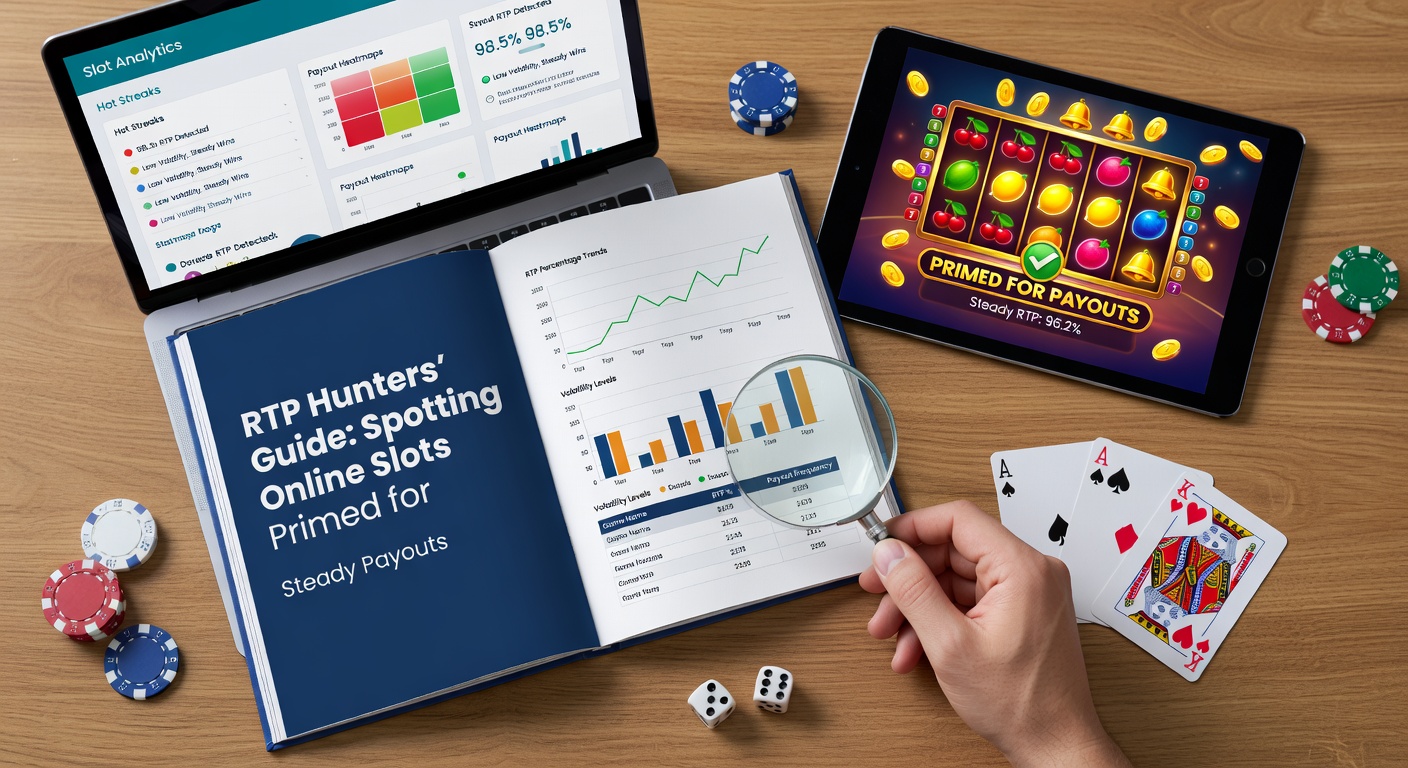
Case in point: one group of analysts tracked Playtech's Age of the Gods series and found RTP variances from 94.98% to 96.15% across variants, underscoring why hunters note every decimal. Tools evolve fast though; AI-driven scanners now parse casino APIs in real-time, flagging high-RTP newcomers before they hit mainstream.
High-RTP Standouts Making Waves in April 2026
April 2026 spotlights fresh releases like Nolimit City's San Quentin xWays at 96.03%, but true hunters chase holdovers like Thunderkick's 1429 Uncharted Seas holding 98.6%, a nautical-themed steady payer with low variance; data from recent iGaming reports confirms its popularity surges during volatile market dips. Similarly, Quickspin's Sakura Fortune II delivers 96.58% with expanding wilds fostering consistent chains, while Yggdrasil's Vikings Go Berzerk boasts 96.10% and bonus buys for controlled risk.
Turns out cluster pays like Relax Gaming's Money Train series average 96.50%, blending high RTP with medium volatility for sessions that rarely go dry; experts who've crunched April launch data note a shift toward 97%+ RTP in crypto casinos, where competition drives numbers up without traditional overhead. And don't overlook barcrest's Rainbow Riches originals at 95-97%, still staples for their no-frills reliability.
One notable case involves ELK Studios' Ecuador Gold, verified at 96.50% RTP through lab audits, where players report steadier gold nugget hunts over flashy competitors; these picks dominate leaderboards on high-RTP trackers precisely because math favors endurance over spectacle.
Navigating Regulations and Verification Across Borders
Regulators shape RTP landscapes differently worldwide; in the EU, Malta's authority requires operators to display RTP prominently, while Australian state bodies like those in New South Wales enforce 90% minimums but encourage higher through consumer guides. US states vary too, with Pennsylvania's gaming board mandating 85%+ land-based but online slots trending 94%+, per monthly revenue breakdowns showing player preference for transparent high-payers.
Industry groups like the Gaming Standards Association push standardized RTP reporting, and their 2025 whitepaper highlighted a 1.2% average uptick in online slots since 2020, thanks to competition; hunters verify via certificate icons on game thumbnails, diving into paytables for exact figures. That's where the rubber meets the road, since unverified offshore sites sometimes fudge numbers, although blockchain verification rising in 2026 changes that game.
People often overlook jurisdiction labels under casino licenses, but checking those against regulatory databases confirms legitimate RTP claims; for instance, Curacao-licensed sites average 95.8% per aggregated audits, edging out some grey markets.
Debunking Myths and Sidestepping RTP Traps
Myths persist that casinos tweak RTP mid-session, yet certified RNGs prevent that, with logs auditable post-facto; research from GlüSt (European gaming labs association) debunks hot/cold streak theories, affirming RTP evens out over volume, not hunches. Low-bet multipliers sometimes inflate effective RTP too, a trick hunters spot by calculating weighted averages.
But here's where it gets interesting: bonus buy features can boost session RTP temporarily, as seen in Push Gaming's Jammin' Jars at 96.83% base but higher with purchases; those who've tested extensively warn against chasing advertised peaks without variance context. Network progressives dilute RTP across pools, so solo adventures yield steadier math.
Volatility misreads trip up many, since ultra-high RTP doesn't guarantee short-term wins if variance explodes; studies found 98% RTP slots with high vol lose 20% faster in 100-spin bursts than 95% low-vol peers. So hunters blend metrics, not fixate on one.
Conclusion
Spotting slots primed for steady payouts boils down to mastering RTP hunts through tools, verification, and pattern recognition, with April 2026 ushering provably fair innovations that level the field further; data consistently shows high-RTP choices like 98% classics extend playtime, rewarding patient players over impulsive ones. Regulators and labs keep the math honest, while evolving tech arms hunters with unprecedented transparency. Those who combine lobby scans, demos, and cross-checks uncover reliable payers amid the flash, turning slots from gamble to calculated pursuit.