Torch Electronics Calls It Quits in Missouri: Massive Shutdown Dodges Prosecution Bullet

The Sudden Announcement That Rocked Missouri's Underground Gaming Scene
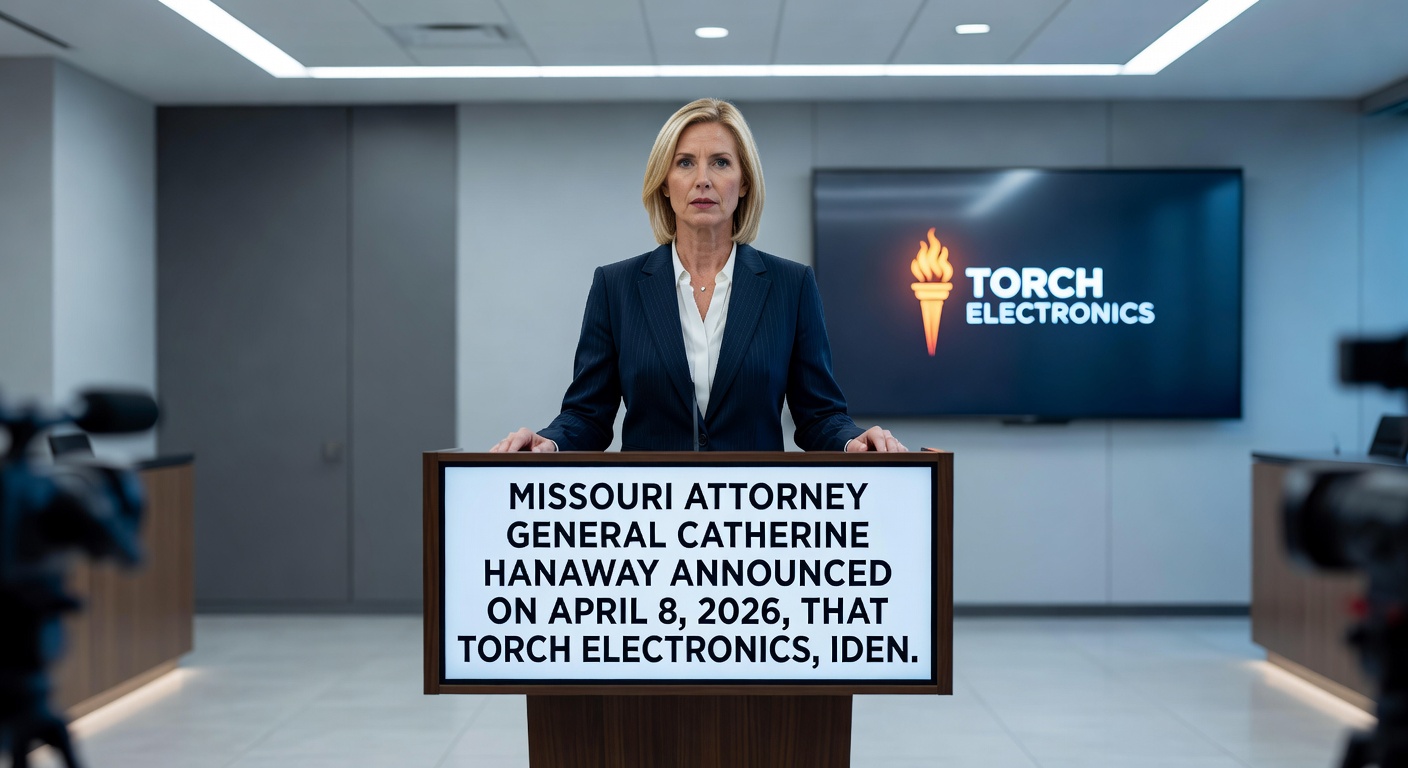
Missouri Attorney General Catherine Hanaway dropped a bombshell on April 8, 2026, revealing that Torch Electronics—pinpointed as the state's largest supplier of illegal gambling devices—had struck a deal to suspend all operations starting Friday, April 10, just two days later, all to sidestep looming criminal charges. This move, detailed in an official statement, came straight out of a hard-hitting joint probe led by the U.S. Attorney’s Office for the Eastern District of Missouri, the U.S. Attorney’s Office for the Western District of Missouri, and the Missouri Attorney General’s Office itself, marking a rare instance where federal and state forces aligned so precisely against what experts have long called a shadowy corner of the gaming world.
What's interesting here is how swiftly Torch Electronics pulled the plug; operators across Missouri who relied on their machines for so-called "skill games" or video lottery terminals suddenly found themselves staring at empty floors, since these devices have skirted legality for years by masquerading as non-gambling amusements, even though data from enforcement actions shows they function much like slot machines dishing out cash prizes. Observers note that this shutdown doesn't just hit one company; it ripples through truck stops, bars, and convenience stores where these machines generated steady revenue, often under the radar of strict state laws that reserve full-scale gambling for licensed casinos only.
And yet, the agreement spells out clear terms: Torch halts everything—no more distribution, no servicing, no nothing—effective immediately on that April Friday, with the promise of avoiding prosecution hanging in the balance should they comply fully. Those who've tracked similar cases, like past crackdowns on unregulated gaming in neighboring states, point out that such voluntary suspensions often serve as a prosecutorial offramp, allowing operators to regroup quietly while authorities shift focus elsewhere.
Unpacking Torch Electronics' Role in Missouri's Gray Market
Torch Electronics didn't build its empire overnight; researchers who've mapped the spread of illegal gambling devices describe it as the dominant player, supplying thousands of machines statewide that blurred the line between entertainment and outright betting, devices equipped with flashing lights, bonus rounds, and payouts that drew crowds despite repeated legal challenges. According to a KY3 report covering the announcement, this company stood out not just for scale but for persistence, operating in a landscape where Missouri lawmakers have debated regulated gaming expansions for years without fully legalizing these standalone units.
Take one typical setup people encountered: a rural gas station with a cluster of Torch machines tucked in back, where players inserted bills for chances at escalating jackpots, all while proprietors claimed the games hinged on "skill" to dodge gambling statutes—a claim enforcement officials dismissed time and again through undercover buys and payout audits. But here's the thing; the sheer volume Torch handled made it a prime target, with investigators uncovering networks that funneled revenue through layered corporate shells, a tactic that's tripped up smaller outfits before but proved stickier for this giant until now.
Experts have observed patterns in states like Missouri, where illegal devices thrive because they're cheaper to install than partnering with official lotteries, generating figures that rival small casinos; one study from gaming watchdogs revealed such machines raking in tens of millions annually across the Midwest, funds that bypassed taxes and oversight, fueling everything from local business cash flow to organized evasion schemes.
Behind the Joint Investigation: Federal Muscle Meets State Resolve
The probe that cornered Torch wasn't a solo act; it pooled resources from two U.S. Attorney’s Offices spanning Missouri's eastern and western halves, alongside Attorney General Hanaway's team, creating a unified front that dissected supply chains, financial trails, and operational hubs with surgical precision. Turns out, this collaboration amplified pressure, as federal statutes on interstate commerce and wire fraud layered atop Missouri's gaming prohibitions, turning what might have been state misdemeanors into potential felonies carrying hefty sentences.
People familiar with these operations whisper about raids and subpoenas ramping up in recent months leading into April 2026, with agents seizing machines, servers logging player data, and ledgers exposing payouts that exceeded "amusement-only" limits by orders of magnitude; such evidence, pieced together across districts, painted Torch as the linchpin, coordinating placements that saturated high-traffic spots from St. Louis to Kansas City. And while specifics of the deal remain under wraps—non-disclosure being standard in deferred-prosecution pacts—the public word from Hanaway's office underscores compliance as the key, with monitoring likely to follow through audits and sworn affidavits.
Now, consider the timing; April 10 fell on a Friday, prime for weekend crowds, so the suspension landed like a gut punch to venues banking on machine income, forcing hasty removals or shutdowns that left patrons empty-handed and owners scrambling for alternatives. Those who've studied enforcement trends note that joint federal-state efforts like this one often yield broader deterrence, as word spreads fast in tight-knit gaming circles, prompting other providers to rethink their playbooks before similar deals come knocking.
Ripple Effects Across Missouri's Gaming Landscape
So what happens next for the locations that hosted Torch gear? Owners face a scramble, since state law leaves little wiggle room for replacements without licenses, pushing some toward legal lottery terminals or nothing at all, a shift that data indicates could dent rural economies reliant on these side hustles. It's noteworthy that this shutdown coincides with ongoing legislative pushes in Missouri for expanded gambling, including sports betting and more casino licenses, debates where illegal devices often serve as Exhibit A for why regulation beats prohibition.
Observers point to cases in Illinois or Pennsylvania, where cracking down on gray-market machines paved the way for taxed, tracked alternatives, generating revenue that bolsters public coffers; Missouri figures from past years showed illegal ops siphoning upwards of $100 million untaxed, per estimates from regulatory reports, making Torch's exit a potential windfall if redirected legally. Yet challenges linger, as holdout operators might test boundaries with rebranded "skill" games, although heightened scrutiny post-April 2026 likely keeps them in check.
One venue manager, speaking anonymously in coverage around the announcement, described the void as immediate, with Friday night foot traffic dipping because regulars knew the machines were gone; such anecdotes highlight the human side, where low-wage workers and small-business owners navigate the fallout, all while authorities celebrate a cleaner field. And that's where the rubber meets the road: Torch's suspension tests whether voluntary compliance sticks or if prosecutions follow for slip-ups, with the AG's office holding the enforcement cards.
Conclusion: A Turning Point or Temporary Truce?
As Missouri enters this post-Torch era starting April 10, 2026, the gambling landscape tilts toward stricter lines, courtesy of that pivotal joint investigation and the deal that shuttered the state's top illegal provider. Researchers tracking these developments suggest it sets a precedent, signaling to others that evasion tactics have limits when feds and state align, although history shows underground games adapt quickly if oversight lapses.
Ultimately, the facts paint a clear picture: Torch Electronics steps back to dodge charges, venues adjust on the fly, and Missouri's enforcers claim a win in their ongoing battle against unregulated play. Whether this leads to broader reforms or just musical chairs among suppliers remains the ball in lawmakers' court, but for now, the machines go dark, and the industry watches closely.